Being very flexible is not always a problem, but when it brings aches, fatigue or joints that feel unreliable, it is worth finding out why. We carry out a thorough assessment, explain what we find, and give you a strengthening programme to start at home straight away. We see adults, and children from the age of 4.
Get Your Hypermobility ScoreOr call us on 020 8458 7869

90 unhurried minutes with a chartered physiotherapist, for adults and for children aged 4 and over.
Prefer to talk first? Call 020 8458 7869 or email book@sutherlandhouse.life
Hypermobility means some or all of your joints can move further than usual. Plenty of people are naturally flexible and never have a problem. For others, the muscles around loose joints have to work harder to keep everything stable, which can lead to aching, tiredness, sprains and joints that feel like they are "giving way". It often runs in families and is common in children.
Many people are naturally bendy, and children are usually more flexible than adults. Most hypermobile people are healthy and have no problems. It is worth a closer look when flexibility seems to come with symptoms.
None of these proves that you or your child is hypermobile, and people vary a lot. They are signs to notice, not a diagnosis. An assessment is how you find out.
Your joints are held steady by two things: connective tissue, such as ligaments, and the muscles around them. In hypermobile people the connective tissue gives less support.
With less support from ligaments, the muscles around your joints have to do more of the work to keep you stable.
When those muscles are not strong enough, simple things take more effort. That can show up as tiredness, aching after activity and injuries that happen more easily.
Hypermobility can affect proprioception: your body's sense of where your joints are, which helps you move with control and balance.
Our physiotherapists can assess and diagnose hypermobility in both adults and children, and other specialists often refer hypermobile patients to us for treatment.
Your symptoms, what you find hardest, past injuries or treatment, and your family history.
Including the Beighton test, which scores how far certain joints can bend.
For example, very soft or stretchy skin, and whether anything else could be causing your symptoms.
Your posture, the way you walk, your foot position and the strength of different muscle groups.
And agree a plan built around what matters to you. If another specialist should be involved, we will tell you and advise on referral.
You leave with specific strengthening exercises to work on before your follow-up.

Hypermobility is part of how your joints and connective tissue are built, and no treatment can change that. The problems it causes can often be improved. Treatment focuses on helping your body cope.
Building the muscles around loose joints so they can hold you steady with less effort.
Improving proprioception, balance and control, so movement feels more secure.
So you can do more without paying for it afterwards.
Practical ways to look after your joints in daily life, at work, at school and in sport.
Many people find this reduces pain, tiredness and injuries, and makes everyday activity and exercise easier. Children often find that PE lessons get easier and they thrive in any sports they were practising.
If there are no other injuries or acute problems to treat, we usually suggest one follow-up a month. On average, patients need around 6 follow-ups to build enough strength to manage without symptoms, as long as they keep up their exercises. Follow-ups last 45 minutes to an hour, and everyone is different, so we review progress with you at each visit.
Parents who bring their child in are often hypermobile themselves, without ever having realised. We are happy to treat both.
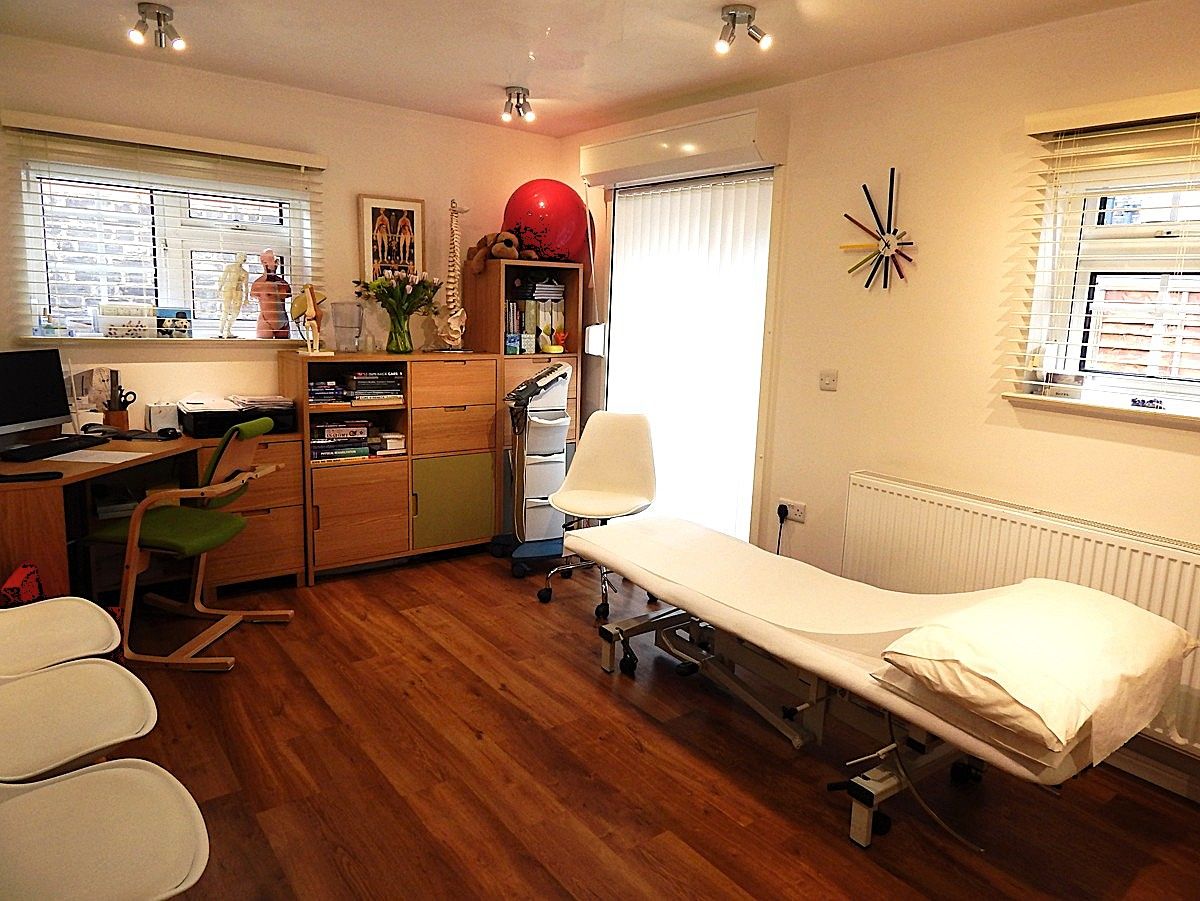
Many adults have spent years living with pain, fatigue or joints that slip. At Sutherland House you get a proper assessment, a clear explanation, and a plan you can follow at home and in your follow-ups.
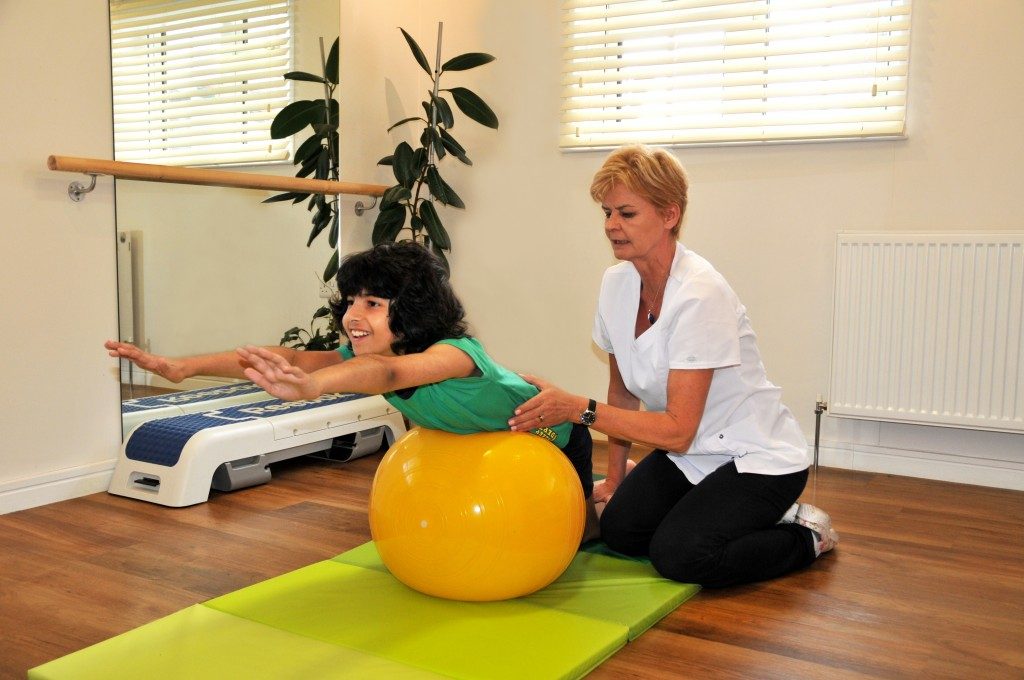
These are the questions parents ask most, and an assessment is the best way to answer them. Flexibility often reduces as children grow, although some stay hypermobile into adult life. Either way, building strength and confidence helps them stay active and avoid injuries.
These are the extras that come with being a Sutherland House hypermobility patient.
A simple tick-box sheet you fill in before you come, for yourself or your child. It covers flexibility, symptoms, family history and what you find hardest, so we can focus on what matters to you from the first minute.
Download the self-assessment sheet (PDF)Specific exercises chosen for you after your assessment, so you can start building strength straight away.
At each follow-up we re-test your strength and adjust your exercises, so you know what is improving and what to work on next.
Practical ideas for making exercise part of family life, from reward charts to walking to school, drawn from years of working with hypermobile children.
Many people with hypermobility also have digestive symptoms, such as bloating, constipation, loose stools or an unsettled stomach. If that sounds familiar, you can also see Marina Townsley, our naturopath, nutritional therapist and herbalist. She can look into what may be contributing and suggest ways to support your digestion.

Marina trained for five years at the College of Naturopathic Medicine in London. She takes a whole-person approach and has a particular interest in digestive health.
Marina's appointments are not included in the physiotherapy package prices. They are booked and paid for separately.
Eva and Judith have worked together for 27 years, including more than 15 years running the physiotherapy department at The Garden/Hendon Hospital.


Real hypermobility review to add, with written permission. One existing review mentions years of treatment for generalised joint hypermobility.Patient name, shortened
Ideally a parent's review about their child, with written consent.Parent name, shortened
90 minutes, not a quick check.
What we find, in plain English, with no jargon left unexplained.
Whether that is getting through a working day, playing sport, or your child keeping up in PE.
And advise on referral to the right specialist.
Please see your GP before booking if you or your child have:
If you get dizziness, fainting or a racing heart when you stand up, please mention it to your GP and to your physiotherapist.
No. These terms sit on a spectrum. Joint hypermobility simply means joints bend further than average, and many people have no symptoms. Hypermobility spectrum disorder (HSD) is used when someone has hypermobile joints and symptoms such as pain, fatigue or injuries, but does not meet the criteria for a specific condition. Hypermobile Ehlers-Danlos syndrome (hEDS) is an inherited connective tissue condition with stricter criteria, and it needs to be diagnosed by an appropriate specialist. Whichever label applies, the practical focus is often similar: building strength and control, and managing symptoms.
It is an older term that is no longer used. Most people given it in the past would now be described as having either hypermobile Ehlers-Danlos syndrome (hEDS) or a type of hypermobility spectrum disorder (HSD).
Yes. Our physiotherapists can assess and diagnose hypermobility in adults and children. If we think hypermobile Ehlers-Danlos syndrome (hEDS) or another condition needs looking at, we will advise on referral to the right specialist.
No. Hypermobility is part of how your body is built. Treatment aims to help you cope better, through strength, control, pacing and protecting your joints, and many people find their symptoms improve.
Flexibility often reduces as children grow, although some stay hypermobile into adulthood. Either way, building strength and confidence in how they move helps them stay active.
From age 4. Parents stay in the room during the assessment, and younger children need a parent or carer to help with exercises at home.
It varies. On average, patients need around 6 monthly follow-ups after their first assessment, as long as they keep up their exercises. Your physiotherapist will review progress with you at each visit.
No, you can book directly with us as a self-referral.
Your completed self-assessment sheet, a list of any medication you are currently taking, and comfortable clothing you can move in. Shorts would be ideal.
We will call to answer any questions and find an assessment time that suits you, or your child.
If flexibility is causing you or your child problems, start with a proper assessment. In 90 minutes you will know more about what is happening, what can help and what to do next, with exercises to start straight away.
Or call 020 8458 7869 · book@sutherlandhouse.life
Sutherland House, 1a Ashbourne Avenue, Temple Fortune, London NW11 0DP